Executive summary
Parents searching concussion testing Michigan want decisions about safety, recovery, and school supports. A concussion is a mild traumatic brain injury; symptoms can be immediate or delayed and often become clearer once schoolwork and screens demand sustained attention. This post aligns with Centers for Disease Control and Prevention and American Academy of Pediatrics guidance.
Concussion symptoms parents should monitor
Common concussion symptoms include headache, dizziness, light/noise sensitivity, and mental fog. Track changes in function: slower reading, more homework errors, irritability, sleep disruption, or new trouble concentrating. Seek urgent care for red flags such as worsening headache, repeated vomiting, seizure, escalating confusion, weakness/numbness, or severe neck pain.
When concussion testing is most useful
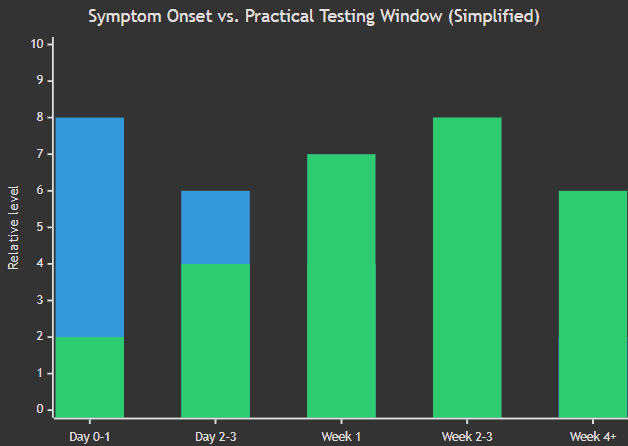
In the first 24–48 hours, prioritize medical evaluation and safety—testing can’t replace that. For most concussions, imaging is reserved for red flags; “testing” usually means symptom, balance/vision, and cognitive assessment. Formal evaluation is most actionable when symptoms persist beyond ~7–14 days, when school reliably triggers symptom spikes, or when return-to-play/return-to-learn decisions are unclear. That’s when Ann Arbor concussion testing or Novi specialty services can help convert symptoms into a plan.
Why neuropsychological testing matters for pediatric concussion
For pediatric concussion, symptom checklists don’t show which cognitive systems are disrupted. Neuropsychological testing measures attention, memory, processing speed, and executive function, then translates results into school supports (breaks, reduced load, extended time, quiet testing space). It also helps clarify whether attention changes are concussion-driven or reflect a baseline pattern (for example, ADHD).
Concussion recovery and return-to-learn decisions
Current care trends emphasize brief relative rest (often 24–48 hours) followed by gradual, symptom-limited return to school and light activity. For concussion recovery, the goal is function—fewer “crash” days and improving tolerance for reading and screens. If progress stalls, a structured evaluation—including concussion testing Michigan families seek—can clarify next steps.
Internal links, FAQs, and schema recommendations
Recommended internal links: Assessment & Diagnostic Services; Neuropsychological Testing; New Patient Forms; ADHD; Contact.
FAQ schema (Q&A):
- When should I pursue concussion testing Michigan clinics offer? If symptoms last >10–14 days or school function drops, ask about formal evaluation.
- What happens in neuropsychological testing after a concussion? Standardized cognitive tests plus symptom measures lead to targeted recommendations.
- Can ADHD and concussion look similar? Yes—overlap is common; testing helps clarify baseline vs. injury-related change.