
Figure: A puzzle-piece brain labeled “ADHD,” symbolizing the complex and multifaceted nature of Attention-Deficit/Hyperactivity Disorder in children.
Attention-Deficit/Hyperactivity Disorder (ADHD) has become a hot topic for parents and caregivers in recent years. Headlines frequently highlight a surge in childhood ADHD diagnoses – and indeed, a new CDC-backed study found that 1 in 9 U.S. children (over 7 million kids) have been diagnosed with ADHD at some point, up by 1 million cases since 2016. For families in Michigan and across the country, these numbers can sound alarming. However, behind the statistics are important positive trends: better awareness of neurodevelopmental issues, reduced stigma around seeking help, and more children getting the support they need. In this article, we’ll explore why ADHD diagnoses are rising, what this trend means for parents (especially in Michigan), and how to navigate evaluations and care with a compassionate, expert approach.
Why Are Childhood ADHD Diagnoses Rising?
Several converging factors have contributed to the increase in ADHD identification in 2024–2026:
- Greater Awareness and Less Stigma: Parents, teachers, and doctors are more familiar with ADHD symptoms now than in the past. This growing awareness means kids who would have been overlooked years ago are now being recognized and evaluated. For example, ADHD was historically thought to be mainly “hyper boys,” but professionals have become better at spotting inattentive ADHD in girls who might daydream or quietly lose focus. Overall, society is more accepting of discussing mental and developmental health, so families are more willing to seek an ADHD evaluation rather than avoid it.
- Updated Diagnostic Criteria: Medical guidelines have expanded over the last decade, allowing more kids to be accurately diagnosed. Until 2013, clinicians hesitated to diagnose a child with both autism and ADHD or to diagnose ADHD if symptoms started after age 7. Now, the rules permit an ADHD diagnosis even if a child has autism, and the age-of-onset cutoff has been raised to 12 years. These changes mean fewer children slip through the cracks – kids who would have been ineligible for an ADHD label under old criteria can now be identified and helped.
- Pandemic-Driven Challenges: The COVID-19 pandemic (2020–2022) disrupted every aspect of children’s lives – schooling, routines, socialization – and this had a notable impact on ADHD symptoms. Remote learning and increased screen time made it harder for many kids to concentrate, while stress and isolation elevated behavior issues. Experts believe the pandemic “made mild attention difficulties worse, making them more visible”. In other words, some children who might have coped in normal circumstances struggled significantly during lockdowns, leading parents and teachers to seek evaluations. The result was an uptick in diagnoses that might have been delayed or missed if not for the unusual pandemic pressures.
- Public Health Emphasis: ADHD is now recognized as a major public health concern. Health authorities report that ADHD remains one of the most common neurodevelopmental disorders in children. In fact, Michigan’s rates are comparable to national trends, with roughly 10% of children in the state currently diagnosed with ADHD (close to the 10.5% U.S. average in 2022). This heightened attention from public health agencies has led to more screening programs and physician training on ADHD. The overall effect is that more children are being evaluated and identified than in previous generations.
It’s worth noting that rising diagnoses do not necessarily mean ADHD is over-diagnosed or that kids are “worse behaved” than before. In many ways, it reflects progress: we are finally recognizing issues that always existed but were often overlooked. As Melissa Danielson, lead author of the CDC study, explained, today’s higher numbers partly show that “more children may be getting correctly diagnosed with ADHD” due to increased awareness. Greater recognition is a good thing if it connects children to the help they need.
What This Means for Parents and Caregivers
For parents, the fact that ADHD is being talked about more openly can actually come as a relief. If your child has attention or behavioral challenges, you’re certainly not alone – millions of families are on a similar journey. Here are a few key points for caregivers to keep in mind:
- Know the Signs: Many kids are energetic or distracted at times, but ADHD symptoms are more intense and persistent than ordinary childhood behavior. For example, a child with ADHD may frequently daydream and lose focus, forget things, squirm and fidget, talk excessively, interrupt others, or act without thinking of consequences. These behaviors occur in more than one setting (home, school, etc.) and impair the child’s functioning. If you notice such patterns – beyond what you see in other kids the same age – it might be time to take a closer look. (Remember that ADHD can present differently in each child: some are visibly hyperactive, while others have quiet inattention that is easy to miss.)
- ADHD Often Comes with Other Challenges: It’s common for ADHD to overlap with other conditions. In fact, nearly 78% of children with ADHD have at least one co-occurring disorder, such as anxiety, depression, a learning disability, or speech/language delays. This means parents should be alert to academic or emotional struggles that accompany the attention problems. For example, a child with ADHD might also be dyslexic (learning disorder) or feel anxious about social interactions. Understanding this overlap is important because an ADHD diagnosis is not a complete picture – it’s often just one piece of a bigger puzzle. The good news is that a comprehensive evaluation will screen for these related issues, so you can address all of your child’s needs, not just the ADHD.
- Don’t Blame Yourself (or Your Child): As awareness grows, we’ve learned that ADHD is biologically based – it’s a neurodevelopmental condition, not simply willful misbehavior or “bad parenting.” Factors like genetics and brain wiring play a major role in ADHD. So if your child is diagnosed, remember that neither you nor your child did anything to cause it. With compassionate support and appropriate strategies, kids with ADHD can thrive. Many famous inventors, entrepreneurs, and artists have ADHD; it often comes with strengths like creativity and resilience. The key is getting the right support in place.
- Rising Numbers = More Resources: The spike in ADHD cases has prompted schools, healthcare providers, and communities to ramp up resources. Michigan families now have more places to turn for help – from school psychologists and special education services to private clinics specializing in ADHD. There are parent support groups, webinars, and literature readily available. In short, the conversation about ADHD is out in the open, and you have a larger network of allies than parents had in the past. Don’t hesitate to tap into these resources.
When to Consider a Professional Evaluation
If you’re concerned about your child’s attention or behavior, trust your instincts. It may be time to seek a professional evaluation if, for example:
- Your child’s inattention or hyperactivity is impairing their school performance or daily life (e.g. consistently falling behind in class, struggling to maintain friendships, or having frequent behavior outbursts).
- You or teachers have tried simple interventions (like seating the child at the front of class, establishing routines, reducing distractions) and problems persist or worsen.
- Family life is being strained – for instance, homework battles every night due to distractibility, or frequent conflicts triggered by impulsive behaviors.
- There is a family history of ADHD or related conditions, and you notice similar patterns in your child. Early evaluation can be beneficial in such cases.
- Your child shows signs of other issues (anxiety, reading difficulties, etc.) alongside attention problems. This might indicate a complex situation where a thorough assessment can clarify what’s going on.
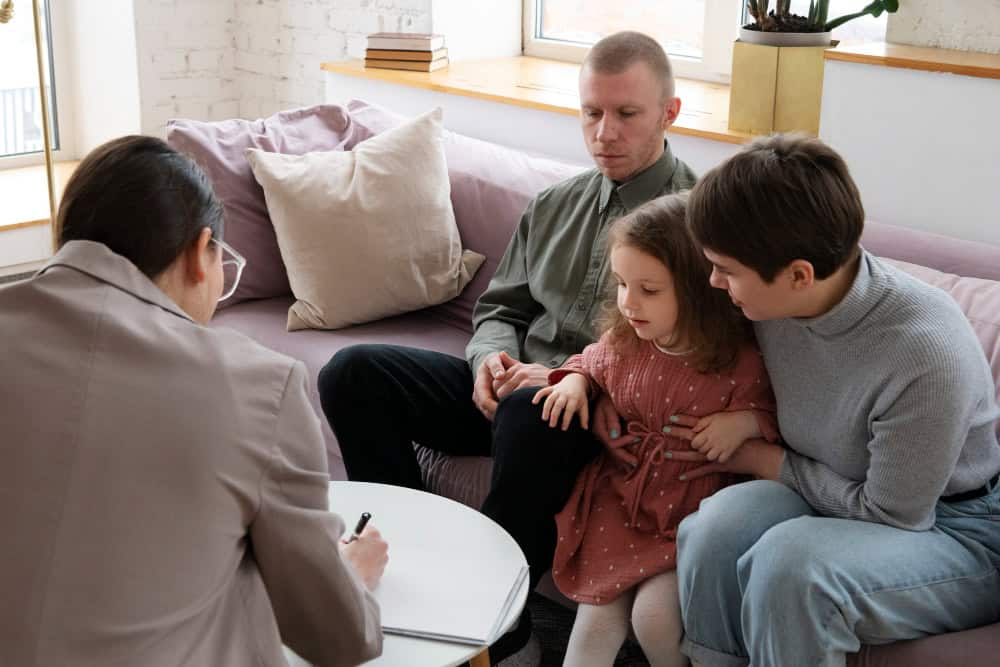
Seeking an evaluation does not mean you’re committing to any label or medication – it’s simply a step toward understanding your child better. As one child psychologist wisely noted, the purpose of an evaluation and diagnosis “isn’t simply to label kids”; it’s to identify areas of difficulty that we can actually address and “course-correct” to help the child. In other words, knowledge is power: when you pinpoint the cause of your child’s struggles, you can then activate the right supports, whether that’s behavior therapy, tutoring, accommodations at school, parenting strategies, or medical treatment.
The Role of Neuropsychological Evaluation (and Why Local Expertise Matters)
Once you decide to pursue an assessment, a neuropsychological evaluation is often the gold standard for complex cases or for a thorough analysis. Neuropsychological testing involves an in-depth look at a child’s cognitive skills, academic abilities, attention, memory, and emotional functioning. Why is this comprehensive approach beneficial? Because it can differentiate between ADHD and other look-alike issues, and map out your child’s unique profile:
- Some children who seem inattentive actually have an underlying learning disability or anxiety that makes it hard to focus. Others may indeed have ADHD plus additional needs. A neuropsychological evaluation will tease apart these factors, so the interventions can be tailored correctly. (For example, is your child distracted in class due to ADHD, or because reading is so hard due to dyslexia? Is their restlessness coming from ADHD or from anxiety? These distinctions matter for treatment.)
- The evaluation results directly guide effective treatment and school planning. With detailed test findings in hand, parents can work with doctors, therapists, and educators to create a targeted plan. This might include behavioral therapy, parent coaching, school accommodations (like an IEP or 504 Plan for extra support), and/or medication. Essentially, testing shines a light on how your child’s brain works, which removes much of the guesswork in helping them.
- Local context is important – every state and school system has different resources. In Michigan, for instance, schools may offer certain supports if an official report documents an ADHD diagnosis with functional impairments. A neuropsychological report can strengthen your case to access services in the Ann Arbor area schools or elsewhere in the state. Furthermore, a local evaluator will be familiar with Michigan’s educational provisions and can make specific recommendations that align with local policies.
When selecting an evaluation provider, look for licensed clinicians with expertise in ADHD and child psychology (such as neuropsychologists or child psychologists). Michigan families are fortunate to have reputable options. For example, Neuropsychology Partners – with offices in Ann Arbor, Novi, and Livonia – is one local clinic specializing in these evaluations. Clinics like this understand that parents need answers quickly and delivered with care. Neuropsychology Partners even guarantees completing neuropsychological testing within 3–4 weeks, reflecting the urgency families often feel. Wherever you go, you should expect a compassionate, family-centered approach: the evaluators should listen to your concerns, make your child feel at ease during testing, and thoroughly explain the results and recommendations.
Navigating Treatment and Next Steps
If your child does receive an ADHD diagnosis (or another related diagnosis), what comes next? The path forward will likely include a combination of home, school, and medical/therapeutic interventions. Effective ADHD management is usually multi-pronged:
- Behavioral Therapy and Parent Training: Working with a therapist who specializes in ADHD can teach children skills like organization, emotional regulation, and social skills. Equally important, parents can learn behavior management techniques (for instance, using structured routines, positive reinforcement, and consistent consequences). According to best practice guidelines, behavioral strategies are a key first-line treatment, especially for younger children. Such non-medical interventions can significantly improve day-to-day functioning and family harmony.
- School Supports: Meet with your child’s school to share the evaluation findings. Many children with ADHD qualify for classroom accommodations or special education services. Simple supports – like extra time on tests, movement breaks, seating away from distractions, or help with note-taking – can make a big difference in their academic success. Under U.S. law, public schools must address eligible students’ needs (via 504 Plans or IEPs), and Michigan schools are no exception. Be an advocate for your child; use the evaluation report as evidence of what they require. Teachers generally appreciate knowing what strategies work best for your child.
- Medication (When Appropriate): About half of children diagnosed with ADHD in the U.S. are treated with prescription stimulant medications. Medication can greatly reduce core symptoms for many kids, helping them focus and control impulses better. However, meds are not the only tool, and not every child needs them. The decision to use medication should be made collaboratively with a pediatrician or child psychiatrist, weighing potential benefits and side effects. It’s also worth noting that there have been national ADHD medication shortages recently (e.g. Adderall backorders) due to rising demand. If you choose to go the medication route, maintain close communication with your doctor and have a backup plan in case of supply issues (such as alternative medications or interim behavioral strategies). Whether or not you use medication, continuing therapy and environmental supports is crucial – pills don’t teach skills, they only provide a window of improved attention during which kids can learn and grow.
- Lifestyle Factors: Don’t underestimate the power of healthy daily habits. Good sleep, balanced nutrition, and physical activity can bolster any child’s attention and mood. Research shows, for instance, that quality sleep supports better emotional regulation and memory. Many parents find that reducing excess screen time and ensuring the child gets exercise (to burn off energy) lead to calmer behavior. While these steps benefit all kids, they are especially helpful for those with ADHD. Think of lifestyle changes as part of the treatment toolkit.
Throughout the process, keep communication open and supportive. Involve your child in age-appropriate conversations about their brain and challenges – frame ADHD in a positive light, emphasizing that everyone’s brain is different and that these differences can be managed with practice and help. Encourage their strengths and celebrate even small improvements. Parenting a child with ADHD can be exhausting at times, so remember to also seek support for yourself. Connecting with other parents (perhaps through local support groups or online communities) can provide comfort, practical tips, and a reminder that you’re not alone in this journey.
A Compassionate, Expert Approach for Michigan Families
The rising tide of ADHD diagnoses from 2024 to 2026 ultimately carries a hopeful message: today’s children have a better chance of receiving help for their learning and behavioral challenges than ever before. If you’re a parent in Michigan facing the possibility of ADHD (or if your child has recently been diagnosed), take heart that there is a robust network of professionals and resources ready to assist you. From updated clinical knowledge to school accommodations, the system is improving to catch up with kids’ needs.
Most importantly, approach your child’s situation with compassion and curiosity. Instead of asking “What’s wrong with them?”, we encourage asking “What does my child need, and how can we provide it?” With the guidance of experienced clinicians (like the team at Neuropsychology Partners and similar clinics), you can get clear answers through evaluation and a tailored plan of action. As Neuropsychology Partners’ own philosophy emphasizes, testing results are not just data – they “lead to better treatment and support” by pinpointing what’s really going on. In plain terms, understanding your child’s unique profile will help everyone involved (you, teachers, doctors) make informed decisions to support your child’s success and happiness.
Finally, remember that ADHD is highly manageable, especially when identified early. Many kids with ADHD grow into thriving adults – often because their families and doctors understood their needs and nurtured their talents. The years ahead (2024, 2025, 2026 and beyond) will likely bring even more awareness and innovation in the realm of child neuropsychology. By staying informed and proactive, parents and caregivers can ride this wave of knowledge to better outcomes. Your child is more than a diagnosis – they are a developing person who, with the right help, can learn to leverage their strengths and overcome their challenges. And as a parent, you are your child’s best advocate and source of support.
In summary: the trend of rising ADHD diagnoses is a call to action – encouraging families to seek expertise and not shy away from evaluations. Michigan parents have excellent options locally to get answers about ADHD, autism spectrum concerns, learning disabilities, or emotional-behavioral issues. When you combine compassionate understanding with expert assessment, you create a powerful foundation for your child’s future. By embracing knowledge and support, you’ll be empowering your child to thrive, no matter what letters (ADHD or otherwise) come attached to their journey.