Brain injuries, especially traumatic brain injuries (TBI) like concussions, are a major health concern that can affect the whole family. In Michigan and across the U.S., millions of people suffer head injuries each year. The Centers for Disease Control (CDC) defines a traumatic brain injury as “a blow or jolt to the head or a penetrating head injury that disrupts the function of the brain”. These injuries range in severity from mild TBI (concussions) – which may cause only a brief change in mental status – to severe TBI that can involve extended unconsciousness or memory loss. Common causes of concussions include falls at home, sports injuries (like a football or soccer collision), motor vehicle accidents, and other sudden impacts to the head. In fact, concussions make up the vast majority of TBIs – an estimated 75–90% of the 1.7 million TBI-related incidents each year are concussions or other mild TBIs. Sports and recreation account for 1.6 to 3.8 million concussions annually in the U.S., and anyone with a history of head injury is at higher risk of additional concussions if another accident occurs.
Signs and Symptoms of Concussion (Mild TBI)
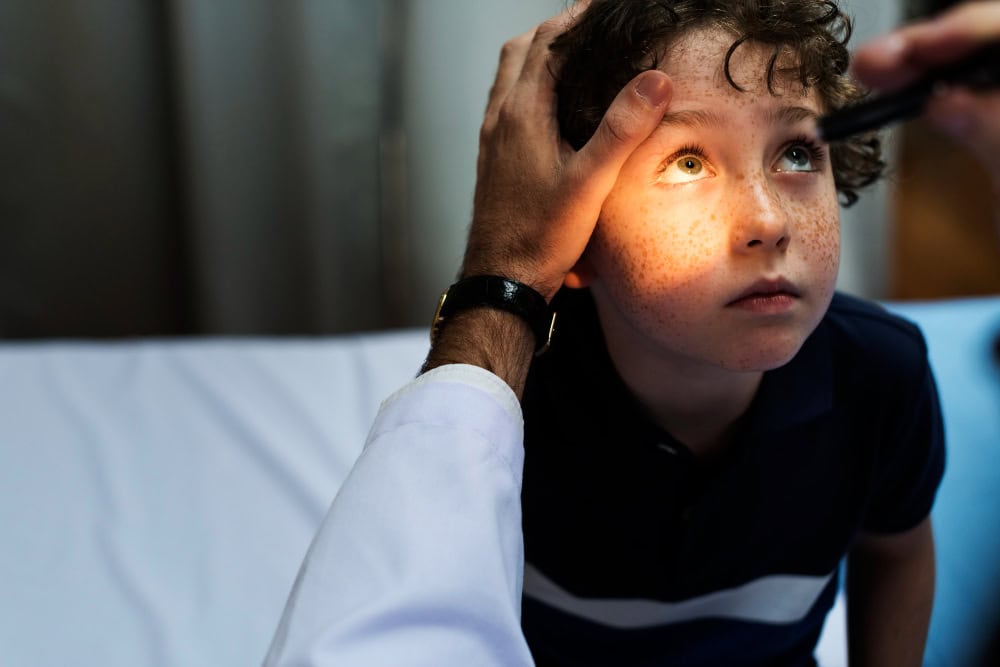
A concussion is a brain injury that affects how your brain functions, even if brain scans like CT or MRI appear normal. Its effects can disrupt daily life in many ways. Signs and symptoms of concussion generally fall into four categories: physical, cognitive, emotional, and sleep-related. You or your child might experience symptoms such as:
- Physical symptoms – for example, headaches, dizziness, balance problems, nausea, fatigue, and sensitivity to light or noise.
- Cognitive symptoms – feeling “foggy” or slowed down, trouble concentrating, difficulty remembering things, or confusion.
- Emotional symptoms – irritability, sadness, nervousness, or being more emotional than usual.
- Sleep-related symptoms – drowsiness, sleeping much more or less than normal, or trouble falling asleep.
It’s important to remember that every brain injury is different. Symptoms may appear right after the injury or develop in the hours or days afterward. Their duration is highly variable – some people feel better within minutes or days, while others have symptoms that last weeks or months. In children and teens, recovery can sometimes take longer than in adults because their brains are still developing. The good news is that with proper diagnosis and management, most patients with a concussion recover fully. However, if you notice lingering problems – like headaches that won’t go away, difficulty in school or at work, or personality changes – it’s crucial to take them seriously and seek further evaluation. Early evaluation and treatment can make a big difference in recovery.
The Role of Neuropsychological Testing in Brain Injury Care
One of the most important tools for understanding a brain injury’s impact is neuropsychological testing. Neuropsychological assessment involves a series of tests and questionnaires that evaluate various aspects of brain function – from memory and attention to problem-solving, language, and mood. This kind of in-depth testing is especially useful after a concussion or other TBI, because often there are “hidden” cognitive or emotional effects that a routine MRI or CT scan won’t show. For example, someone might have normal brain imaging after a hit to the head, yet struggle with concentration or memory. A neuropsychological evaluation can pinpoint these issues and quantify how severe they are.
How does neuropsychological testing help after a concussion or TBI? It provides a detailed picture of an individual’s cognitive strengths and weaknesses, which is invaluable for both diagnosis and recovery planning. Here are a few key benefits of undergoing neuropsychological testing following a brain injury:
- Accurate Diagnosis of Cognitive Impairments: Through standardized tests, a neuropsychologist can identify specific deficits in memory, attention, processing speed, and other thinking skills. This helps confirm the extent of injury-related impairment. In fact, post-concussion syndrome is defined in part by measurable problems in memory or attention on neuropsychological tests. Testing ensures that subtle issues (like difficulty multitasking or increased distractibility) are not overlooked.
- Guiding Treatment and Rehabilitation: A detailed evaluation doesn’t just give you a list of symptoms – it comes with recommendations to improve daily functioning. Neuropsychological findings drive treatment decisions and recommendations, helping tailor rehabilitation to the patient’s needs. For example, if testing shows slowed processing speed, the care plan might include cognitive therapy exercises or school/work accommodations (like extra time for tasks). If mood changes like anxiety or depression are noted, appropriate therapy or medical referrals can be made. In short, the test results help your healthcare team create a personalized recovery plan that addresses all aspects of the injury’s impact.
- Establishing a Baseline & Tracking Recovery: Neuropsychological testing is not a one-time tool – it’s also used for follow-up. Doctors often recommend periodic re-testing (every 12–24 months) after a significant brain injury to monitor progress. By comparing new results with the initial baseline, you can objectively see if cognitive functions are improving, staying the same, or getting worse over time. This is incredibly helpful in guiding ongoing care. For instance, follow-up tests can show if a child who had a concussion is catching up academically or if an older adult’s memory issues are stabilizing. Regular assessments provide clarity and peace of mind about the injury’s long-term course and whether further interventions are needed.
Overall, neuropsychological testing shines a light on the full picture of how a concussion or TBI is affecting someone’s life. It merges medical science with practical real-world insights, offering families in-depth understanding of challenges that might otherwise be invisible. With this knowledge in hand, you and your doctors can make informed decisions – such as when it’s safe to return to sports or work, what classroom supports a student might need, or which therapies could be most beneficial. By evaluating cognitive, psychological, and emotional functioning after a brain injury, neuropsychology helps ensure no stone is left unturned in the care of your brain health.
When it comes to caring for a brain injury or lingering concussion symptoms, it truly helps to have an expert guide. Dr. Alfred Mansour of Neuropsychology Partners is one such guide for Michigan families. Dr. Mansour is a highly trained clinical neuropsychologist – in fact, he spent decades as a neuroscientist and researcher before focusing on clinical care. His career spans four decades of research and clinical service in brain health, including early work at the University of Michigan’s Mental Health Research Institute. Over the years, he has contributed to scientific understanding of the brain (with publications in top neuroscience journals) and has even co-authored a comprehensive review calling for a multidisciplinary approach to treating traumatic brain injuries. In short, Dr. Mansour brings a wealth of knowledge and experience to the table. He is also a Licensed Psychologist and Certified Brain Injury Specialist (PhD, LP, CBIS), with a broad background in neurosciences, rehabilitation, and both pediatric and adult neuropsychology. Brain injuries can affect anyone from young athletes to seniors, and Dr. Mansour’s diverse expertise means he is equipped to evaluate concussions, TBI, dementia, ADHD, and more across the lifespan.
A Patient-Centered, Comprehensive Approach
What truly sets Dr. Mansour apart is his clear, compassionate approach to patient care. Families who work with him often comment on how thoroughly he listens and how he strives to “find clarity” amidst their concerns. Neuropsychology Partners operates with guiding principles that put patients first. Dr. Mansour believes in partnering with patients and their other medical providers to achieve the best outcomes possible. This means he takes the time to coordinate with your primary care doctor, neurologist, school, or workplace as needed, ensuring everyone is on the same page about your recovery plan. His evaluations are not rushed; they are comprehensive and evidence-based. In fact, Neuropsychology Partners prides itself on providing the highest quality diagnostic services in a timely and cost-effective manner. You won’t be left waiting months for results – final neuropsychological reports are typically provided within a month of testing, so that any needed treatments can start promptly.
Dr. Mansour’s approach is both scientific and supportive. He uses proven assessment tools and up-to-date research to guide decisions, but he also never loses sight of the person behind the data. Every patient is treated with empathy and respect. After the evaluation, Dr. Mansour sits down with you to explain the findings in plain language, answering any questions you might have. Together, you’ll discuss practical recommendations – whether it’s cognitive rehabilitation exercises, strategies to manage memory and attention at home, mood support, or referrals to other specialists. This collaborative, personalized approach helps families feel empowered and hopeful about the path forward. As one patient’s family noted, “he really helped us understand what was going on and how to cope, and that meant the world to us.” (Neuropsychology Partners testimonial).
Local Care in Ann Arbor and Novi, Michigan
Neuropsychology Partners is proud to serve the local community in Michigan. Dr. Mansour sees patients at two convenient clinic locations – Ann Arbor and Novi, MI – making expert neuropsychological care accessible to families across the region. The Ann Arbor office is centrally located near the I-94 corridor, and the Novi office serves those in the metro Detroit and Oakland County areas. Being local means you don’t have to travel far or deal with the hassle of big hospital systems to get top-notch care. Dr. Mansour and his team understand the Michigan community: from the busy lives of Ann Arbor students and professionals to the needs of families in Novi and surrounding suburbs. This local focus is also an advantage for continuity of care. Should you need follow-up testing next year or additional support, you have a familiar provider nearby who knows your history. Neuropsychology Partners accepts most major insurance plans, which helps reduce the financial burden on families seeking help. In both Ann Arbor and Novi, the clinic creates a welcoming, calming environment for patients. Whether you’re bringing in a child coping with a sports concussion or an elderly parent recovering from a fall, you’ll be met with understanding and expertise close to home.
Don’t Ignore Lingering Symptoms – When to Seek an Evaluation
If you or a loved one has sustained a concussion or other brain injury, pay close attention to lingering or worrisome symptoms. It’s easy to brush off a mild concussion as “no big deal, just a bump on the head,” but persistent issues can significantly impact school, work, and quality of life. So when should you seek a neuropsychological evaluation? Here are a few scenarios in which an evaluation with Dr. Mansour at Neuropsychology Partners would be a wise step:
- Symptoms last longer than expected: Most concussion symptoms resolve within a few weeks. If a month or more has passed and problems like headaches, dizziness, or cognitive difficulties are still present or even getting worse, it’s important to get a thorough evaluation. Sometimes, what seems “mild” at first can turn into post-concussion syndrome, and early intervention is key. As experts note, it’s important to be evaluated as soon as possible after a head injury to initiate treatment if needed.
- New or worsening cognitive issues: Maybe your child returned to school after a concussion but is now struggling with concentration or memory in class, or you notice you’re more forgetful at work since your injury. Changes in thinking skills, even subtle ones, should be assessed. Neuropsychological tests can objectively confirm whether you’re experiencing cognitive declines related to the injury. Identifying these issues allows for proper strategies (like academic accommodations or cognitive therapy) before things snowball.
- Mood or personality changes: Brain injuries don’t just affect physical and cognitive abilities – they can also impact mood and behavior. Perhaps a normally even-tempered teenager becomes unusually irritable and anxious after a concussion, or a formerly outgoing adult feels depressed and withdrawn. If emotional changes or behavioral issues have emerged post-injury, an evaluation can help determine if they are linked to the brain injury and guide appropriate mental health support. As Dr. Mansour’s clinic notes, often the emotional and psychosocial effects of a brain injury can pose the greatest challenges to recovery and reintegration into daily life. Don’t dismiss these changes as “just stress” – they may be treatable effects of the injury.
Remember that you don’t have to wait until things become unmanageable. Even if your concussion was months or years ago, it’s not too late to get an assessment. Experts actually recommend periodic neuropsychological testing every 12–24 months for individuals who have sustained a TBI. Follow-up testing can check whether any new issues have arisen over time and ensure that your recovery is on the right track. It can also provide peace of mind if all is well, or detect late-emerging problems that might benefit from therapy or medical intervention.
Seeking an evaluation is not a sign of weakness – it’s a proactive step toward healing. Dr. Alfred Mansour and Neuropsychology Partners are here to help Michigan families get the clarity and support they need. If you’re in Ann Arbor, Novi, or the surrounding areas and you’re concerned about lingering concussion symptoms or cognitive changes in yourself or a family member, consider reaching out for a neuropsychological assessment. Dr. Mansour will thoroughly assess the situation, answer your questions, and map out a personalized plan for recovery and care. With compassionate, expert guidance, you or your loved one can overcome the challenges of brain injury and get back to a healthy, fulfilling life. Don’t hesitate to take that first step toward clarity – help is available, and recovery is very much possible.