
Staying socially active isn’t just about having fun – it’s also a key ingredient for a healthy brain. We often hear about puzzles, diet, or exercise for brain health, but sharing a laugh with friends or joining a club can be just as important. Social engagement keeps our minds sharp and may even help in preventing dementia as we age. In this post, we’ll explore how social activities support cognitive function, why loneliness can increase dementia risk, what science says about socializing and brain health, and practical tips to stay socially connected at any age.
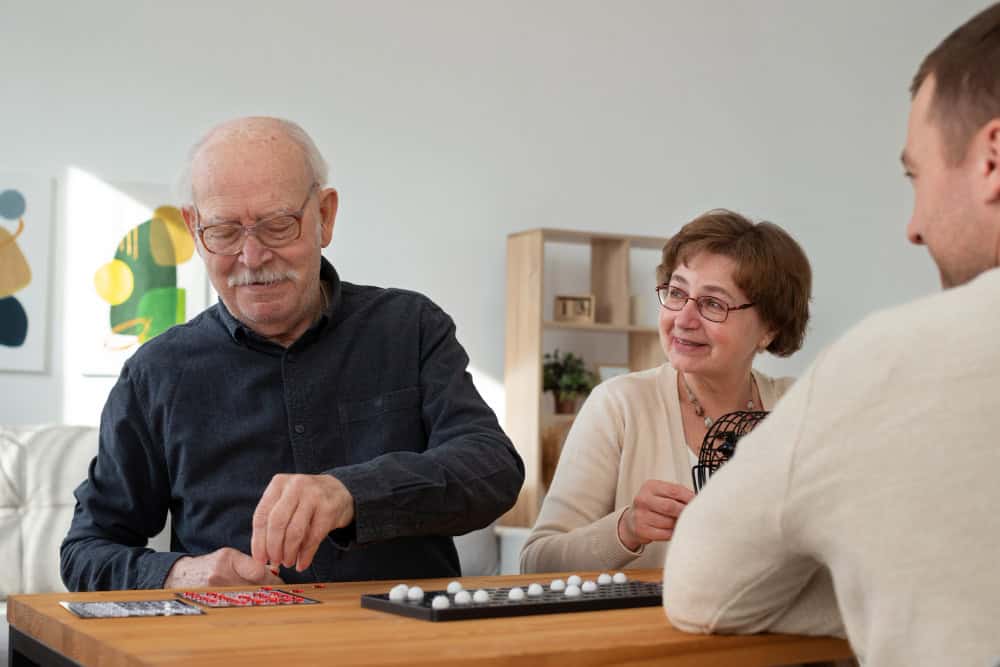
How Social Engagement Supports Brain Health
Social activities give your brain a real workout. When you chat with a friend or plan an outing, your brain is busy forming thoughts, memories, and responses. Research shows that people who remain socially connected tend to have better cognitive function and even live longer. In fact, social interaction stimulates the same brain areas involved in thinking and memory, strengthening neural circuits and keeping them resilient. It’s a classic case of “use it or lose it” – engaging in conversation, listening and responding exercises your memory and attention. Over time, this kind of mental exercise can help maintain sharper memory and thinking skills.
Being around others also boosts emotional well-being. Laughter and companionship trigger positive feelings that reduce stress. Lower stress means lower levels of stress hormones that can harm brain cells over time. Additionally, friends and family often encourage us to stay active and take care of our health. For example, a walking buddy can motivate you to get moving, benefiting blood flow to the brain. These indirect effects of social engagement – less stress, more physical activity, and better mood – all support a healthier brain. Simply put, an active social life nurtures your mind as well as your heart.
Isolation and Loneliness: A Risk Factor for Dementia
A solitary figure symbolizes social isolation. Chronic loneliness and isolation can take a serious toll on brain health. Social isolation and loneliness are more than just sad feelings – they can have real impacts on the brain. Older adults who are isolated or frequently lonely tend to experience faster cognitive decline and higher rates of dementia. In fact, the U.S. Surgeon General has warned that chronic social isolation is as harmful as smoking 15 cigarettes a day and is linked to about a 50% higher risk of dementia in older adults. Similarly, in a long-term study, seniors who were socially isolated had a 27% greater chance of developing dementia over nine years compared to those who stayed socially engaged. The evidence is clear: lack of social contact can significantly increase dementia risk.
Why does loneliness hurt the brain? One reason is that isolation often leads to less mental stimulation – if you’re not conversing or engaging in activities, your brain isn’t getting the exercise it needs. Chronic loneliness can also trigger stress and depression, which over time may damage brain areas involved in memory and learning. In addition, isolated individuals might adopt unhealthier habits (or lose the encouragement to maintain healthy ones), compounding the risk. It becomes a vicious cycle: as people start to have memory problems, they might withdraw further, which then worsens their cognitive health. The good news is that social isolation is a modifiable risk factor – meaning we can take steps to change it. By staying connected and involved with others, we can break this cycle and protect our cognitive well-being.
Social Interaction, Memory, and Thinking Skills: What Science Says
Staying social doesn’t just feel good – it translates into measurable benefits for memory and thinking skills. Numerous scientific studies have linked an active social life with better cognitive performance and lower dementia rates. For example, researchers at Rush University found that seniors with frequent social activities had a significantly lower likelihood of developing dementia than those who were least social. In their study, the most socially active participants were about 38% less likely to develop dementia, and on average they stayed dementia-free five years longer than the least socially engaged group. That’s a five-year delay in onset of cognitive impairment, just from staying socially busy! Social engagement may effectively build up cognitive reserve – extra mental capacity that helps the brain cope with age-related changes.
Another large review of international studies in 2023 echoed these findings. It showed that older adults who interacted with friends or family frequently (at least monthly or weekly) and had someone they could confide in had a lower risk of mild cognitive impairment and dementia. In contrast, those with poor social connections had worse health outcomes and higher mortality, highlighting how crucial social ties are for brain health.
Why does socializing have such a positive impact on memory and thinking? One reason is that engaging with others challenges your brain. Remembering details from a story you want to tell, following along in a group discussion, or learning a new game with friends all require active memory, attention, and quick thinking. Regular friendly interactions essentially exercise your brain, helping you maintain strong cognitive skills. As the American Brain Foundation notes, staying socially active and having regular conversations can improve the brain’s resilience – it keeps your communication skills sharp and helps you practice recalling details and expressing ideas clearly. On an emotional level, having social support also buffers against stress and encourages healthier behaviors, both of which further protect your brain. The scientific verdict is unanimous: an active social life is a boon for your brain, helping preserve memory and thinking abilities into older age.
Practical Tips to Stay Socially Active at Any Age
Maintaining an active social life is possible at any stage of life. It’s about finding connections and activities that suit your interests and circumstances. Here are some practical suggestions to help you stay socially engaged (and give your brain a boost) at any age:
- Join clubs or groups around your interests. For example, consider joining a book club, a gardening group, a dance class, or a church group – anything that regularly brings people together. Doing something you enjoy in a group setting makes socializing feel natural and fun.
- Take a class or attend workshops. Learning with others is a great way to meet new people and stimulate your mind. Try an art class, language course, cooking workshop, or any community education program. You’ll pick up new skills while expanding your social circle.
- Volunteer in your community. Volunteering is a wonderful way to connect with others and add purpose to your day. Whether it’s at a local charity, school, library, or animal shelter, you’ll work alongside fellow volunteers and engage with your community – all while doing good.
- Stay active with group exercise or hobbies. Physical activities can be social too. Join a walking group, a senior exercise class, a bowling league, or even a group yoga session. You get the benefits of movement and companionship. Outdoor hobbies like bird watching or gardening with a friend can also keep you connected.
- Schedule regular meet-ups with family and friends. Don’t wait for special occasions – make socializing part of your routine. Set a weekly coffee date with a neighbor, a monthly family dinner, or a game night with friends. Consistency helps ensure you don’t go long stretches without human connection. If loved ones are far away, schedule regular phone or video calls to catch up.
- Explore social engagement opportunities online or via technology. If mobility or distance is an issue, technology can bridge the gap. Try joining online groups or forums related to your interests, participate in virtual book clubs or discussion groups, or use video chat to have “face-to-face” talks with grandkids or old friends. Even simple texting or emailing can help you feel less isolated, as studies have shown that older adults who use these tools tend to stay more connected.
Remember, it’s never too late to expand your social life. If you’re feeling isolated, start small – reach out to a former colleague or neighbor for a chat, or attend a local community event just to be around people. Each connection, no matter how small, is a step toward a more socially engaged (and brain-healthy) life. And if you’re caring for an aging loved one, encourage and help them to stay connected, whether through senior centers, family gatherings, or community programs.
In conclusion, nurturing our social connections is not just about happiness – it’s a crucial part of maintaining brain health and reducing the risk of dementia. An active social life supports cognitive function by keeping our minds engaged, and it guards against the damaging effects of loneliness and isolation. So call up a friend, join that club, or chat with your neighbors. Your brain will thank you for the company, today and for years to come. Staying social truly helps you “stay sharp” in every sense, making life richer and potentially helping to prevent dementia as well.