A Continuum of Care—Not Just a Single Appointment
A neuropsychological evaluation can answer important questions about memory, attention, mood, behavior, learning, brain injury, or changes in everyday functioning. But patients and families often have another question after the evaluation: “What do we do next?”
NP’s expanded Therapy & Support Services are designed to help answer that question. Our goal is to connect clinical insight with practical, ongoing care—supporting the emotional, behavioral, relational, and day-to-day challenges that can follow a diagnosis, injury, cognitive change, or major life transition.
At NP, the report should not be the end of the relationship. It can be the beginning of a more supported path forward.
How We Can Help
Individual Therapy
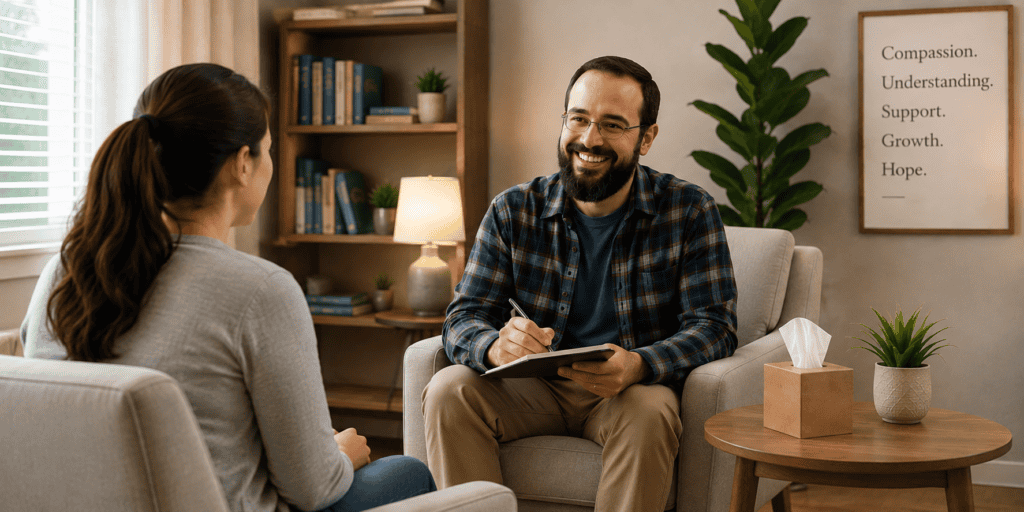
Personalized therapy can help patients work through anxiety, depression, stress, grief, adjustment, trauma-related concerns, changes in identity, relationship challenges, and the emotional impact of cognitive or neurological conditions. Treatment is tailored to the individual—not simply the diagnosis.
Caregiver & Family Support
When one person is facing cognitive, neurological, or behavioral change, the effects are often felt throughout the family. NP provides a place for caregivers and family members to ask questions, process difficult emotions, strengthen communication, develop practical coping strategies, and feel better prepared for what may come next.
Support Groups
There is real value in connecting with people who understand the experience firsthand. NP support groups can bring patients, caregivers, and families together in a professionally guided setting to share experiences, learn practical strategies, reduce isolation, and build a stronger sense of connection.
Education & Practical Resources
Better understanding can reduce uncertainty. NP can provide educational resources, workshops, handouts, and guidance that translate complex brain-health and behavioral information into useful next steps for patients and families.
Coordinated Follow-Up Care
Needs change over time. NP’s follow-up model is designed to help patients and families revisit goals, discuss new concerns, reinforce treatment strategies, and—when appropriate—coordinate recommendations with physicians and other members of the patient’s care team.
About the Therapy Program
Therapy works best when patients feel understood as people, not defined by a diagnosis. Our therapy program focuses on building a trusted relationship, identifying meaningful goals, and helping patients and families develop practical ways to move forward.
Who May Benefit?
- Adults adjusting to memory or cognitive changes
Individuals and families navigating dementia or mild cognitive impairment - Patients recovering or adjusting after concussion, traumatic brain injury, stroke, or other neurological conditions
- Individuals coping with ADHD, executive-function, learning, or behavioral challenges
- Patients experiencing anxiety, depression, grief, stress, or adjustment concerns
- Spouses, adult children, parents, and other caregivers seeking guidance and support
- Families who want ongoing help putting neuropsychological recommendations into practice
About the Therapy Program
What to Expect
1. Start with a conversation — Contact NP to tell us what you or your family are experiencing and what kind of support you are looking for.
2. Identify the right next step — We help determine whether individual therapy, caregiver support, a group, educational resources, follow-up care, or a combination of services may be appropriate.
3. Build a personalized plan — Care is shaped around your goals, needs, strengths, and current circumstances.
4. Adjust as needs change — Therapy and support are ongoing processes. Goals and strategies can evolve as patients and families move through different stages.
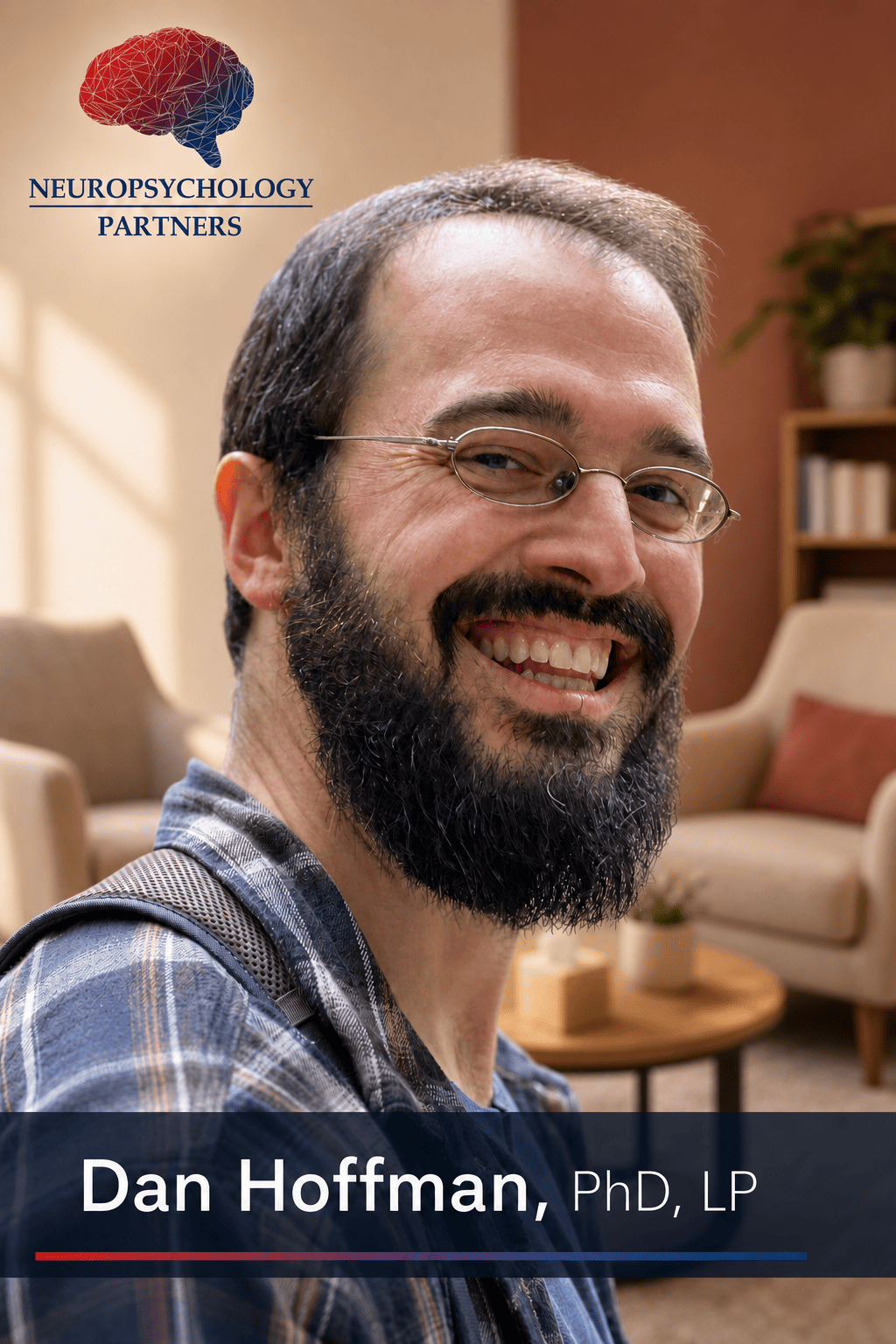
Dan Hoffman, PhD, LP
Dr. Dan Hoffman is a licensed psychologist with an interest in bringing therapeutic care and support to individuals dealing with cognitive decline and their families and caregivers.
Dr. Hoffman received his Doctorate in Clinical Psychology from The Chicago School of Professional Psychology in 2016, and his practice history includes working with unhoused youths and their families, individuals with substance use disorders, trauma and abuse survivors, people with schizophrenia and related disorders, and those dealing with anxiety, depression, and other mood concerns.
Dr. Hoffman works with individuals, couples, families, and groups, utilizing a holistic and person-centered approach focused on providing effective, compassionate, evidence-based care. He is an avid appreciator of nature, and enjoys woodworking in his free time.